By CitySightseeing Team · 3 min read
Events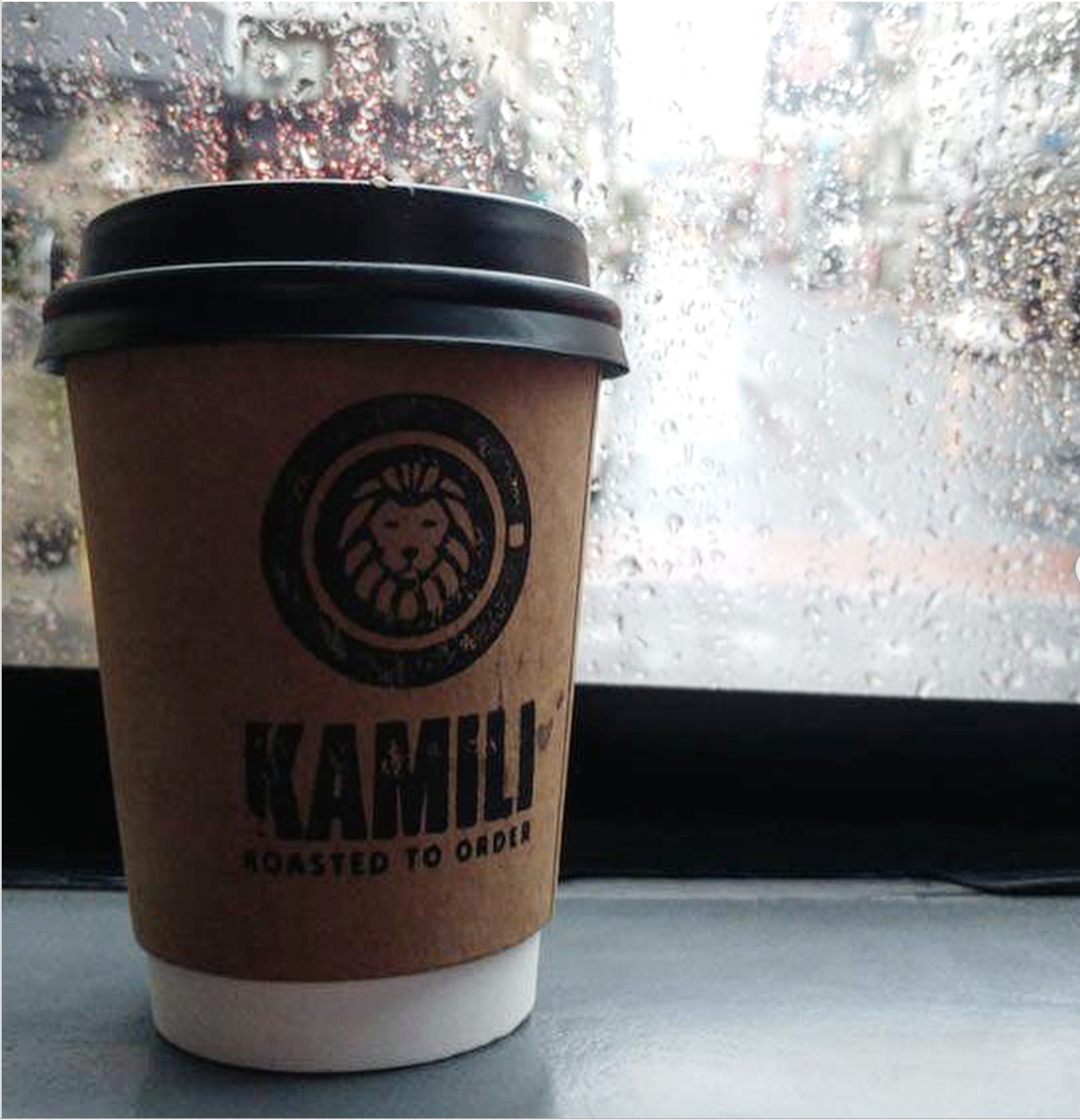
June 2026
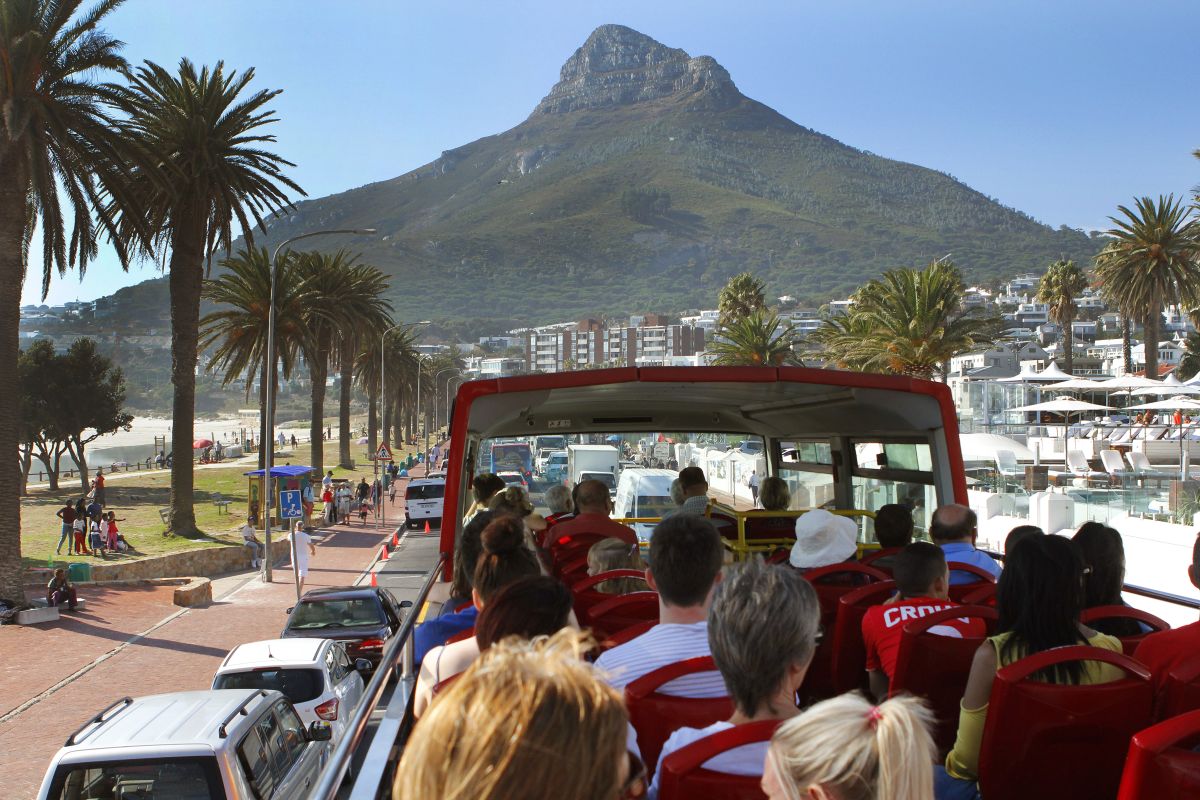
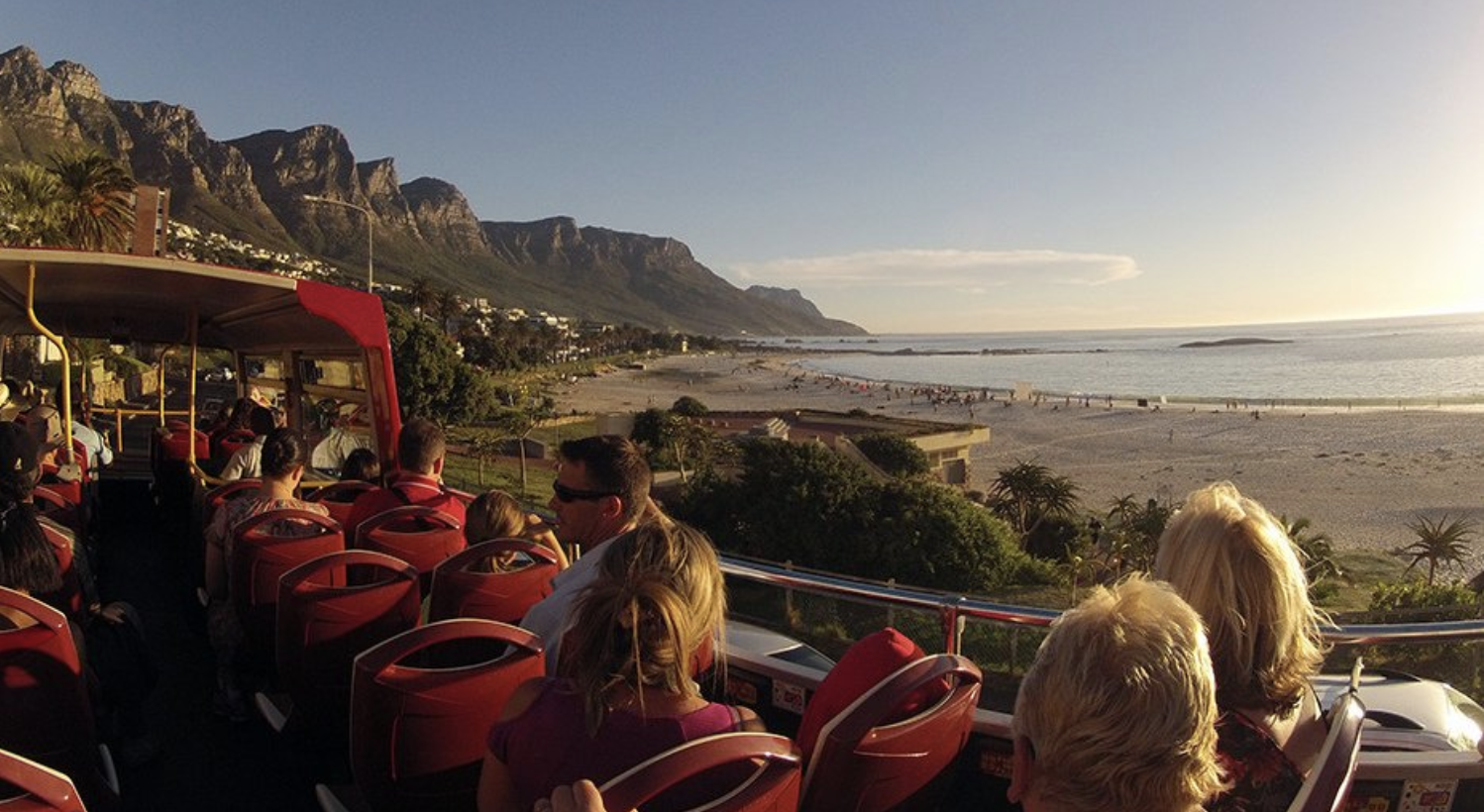
Did you know that a cold, rainy Cape Town winter’s day is the perfect time to hop on the red bus? Not only are the top sections of our double-decker buses partly covered, but there is a whole bottom section that is fully covered AND heated!
Don’t let a little drizzle stop you from having a fun day out – with the red bus, you can still enjoy the best the Mother City has to offer. Here’s our guide to enjoying a rainy day in Cape Town:
1. Hop off at the Travel Depot (stop 5) and Kit Yourself out with Rainy-day Fashion and a Steaming Coffee
When you look good, you feel good. Hop off at stop 5 on Long Street to visit the Travel Depot and shop for a few rainy-day essentials then you are ready for a bit of sightseeing!
Afterwards, grab some coffee and a snack from Kamili coffee shop next door before hopping on the bus.
Stop 5 is also home to one of City Sightseeing’s ticket offices, and all buses on all routes stop here. You won’t even get wet as there is an overhead cover where you wait to hop on the bus.
2. Plan your Route with our Handy Timetable
Although we at the red bus love rainy days, we’re aware that not all attractions are equally enjoyable for all our guests amid a downpour. The best way to make sure you don’t end up on a soggy beach (unless that’s what you intended) is to plan your trip accordingly.
Free route brochures that detail tour schedules, routes and stops are available at all our ticket offices, as well as on board the buses. Should you have missed these, simply Table Mountain Aerial Cableway’s operations, for example, are weather-dependent. Check the Cableway’s status either on the big screen at stop 5, or on its website.
By using the timetable, you’ll make sure that you visit all your preferred attractions, and also know what time to be back at the stop to hop back on the bus.
3. Book a Tour that is not Affected by the Weather or Attractions Being Closed
If you’d ideally prefer a day out where all you need to do is sit back, relax and enjoy the scenery, our live-guided day-tour packages are made for you!
What makes these tours different is that they are not hop-on, hop-off tours like our regular open-top red bus tours. Instead, you’ll be travelling in a luxury air-conditioned coach with a set itinerary, accompanied by a knowledgeable guide.
On the live-guided tour to
Top Tip!
Make the most of the chilly season with our
Hop-on Hop-Off
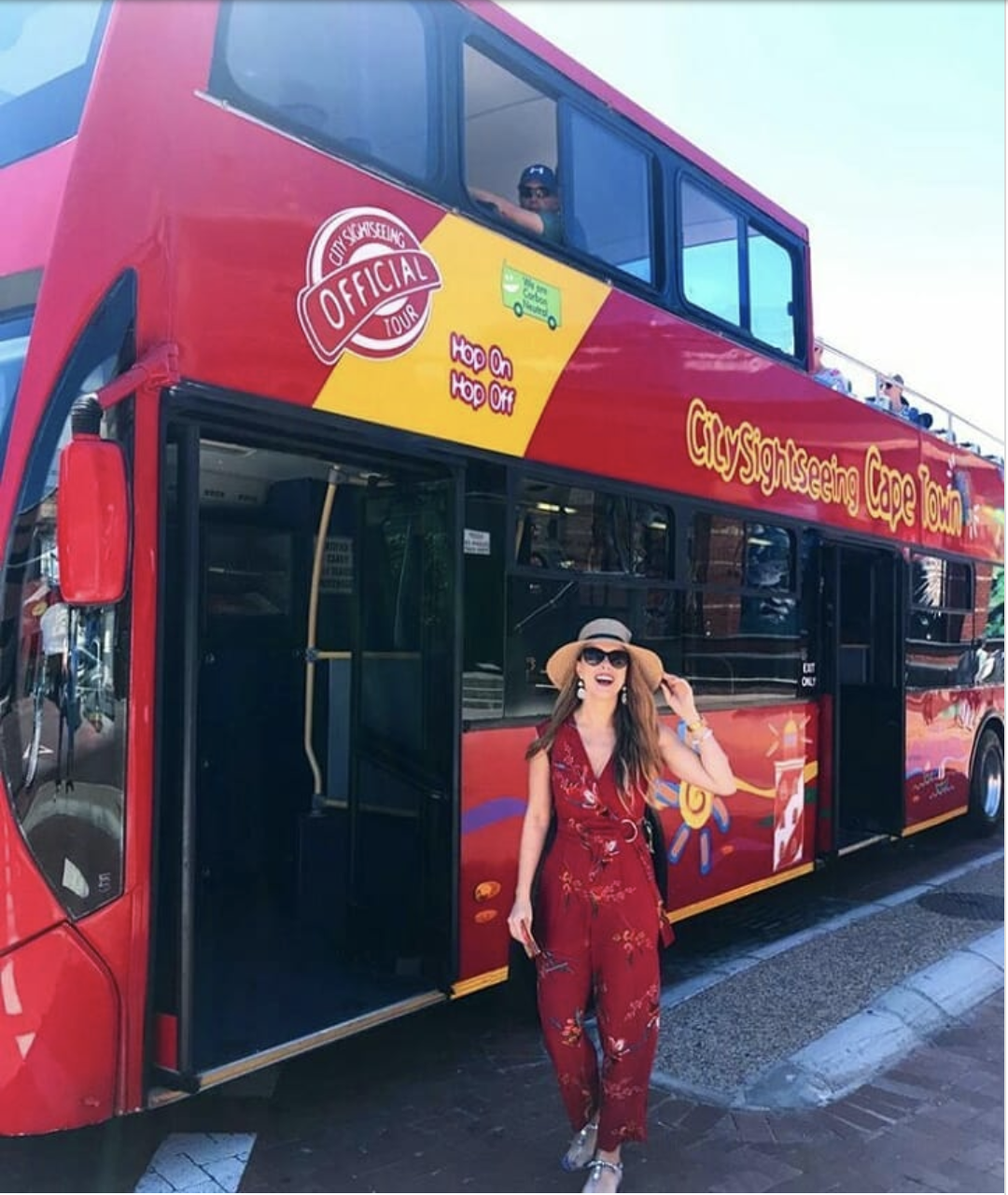
Hop on the open top red bus and enjoy the sights of Cape Town – from Table Mountain to the V&A Waterfront, from Camps Bay to Kirstenbosch. The Classic package gives you one full day on the bus covering all hop-on, hop-off tours.
Book now
FAQs
FAQs
What makes a winter's day in Cape Town special compared to summer visits?
A winter's day in Cape Town offers unique advantages that many visitors discover by surprise. The cooler temperatures, ranging from 8°C to 18°C, create ideal conditions for exploring without the intense summer heat. Winter brings clearer skies after rain, providing spectacular views of Table Mountain and the surrounding mountains. Whale watching season peaks during winter months, offering incredible Southern Right whale sightings from various vantage points around the city. The winter rainfall transforms the landscape into a lush, green paradise, with indigenous fynbos blooming in Kirstenbosch Gardens.
How cold does it actually get during Cape Town's winter months?
Cape Town's winter is remarkably mild compared to most international destinations, making it perfect for year-round tourism. Daytime temperatures typically range from 15°C to 18°C, whilst nighttime temperatures rarely drop below 8°C. The coldest recorded temperature in recent years was around 4°C, which occurred during unusual weather patterns. Most winter days are pleasant enough for outdoor activities with appropriate layered clothing.
Which months are considered winter in Cape Town, and when is the best time to visit?
Cape Town's winter officially runs from May through September, with peak winter conditions typically occurring between June and August. However, the shoulder months of May and September often provide the most pleasant weather, combining cooler temperatures with fewer rainy days. June through August brings the highest rainfall, though this creates the lush, green landscapes that make winter photography spectacular. July is typically the coldest and wettest month, but also offers the best whale watching opportunities.
What should I pack for a winter's day in Cape Town?
Packing for a winter's day in Cape Town requires layered clothing to adapt to changing conditions throughout the day. Start with a base layer of comfortable, breathable fabric like cotton or merino wool. Add a warm jumper or fleece for cooler morning and evening temperatures. A waterproof jacket is essential, as winter brings intermittent rainfall that can arrive suddenly. Comfortable, waterproof walking shoes are crucial, as Cape Town's winter can make surfaces slippery. Pack a warm hat and gloves for early morning or evening activities, though you'll likely remove them during warmer midday periods.
Are all tourist attractions open during Cape Town's winter months?
Most of Cape Town's major tourist attractions remain open throughout winter, though some may have modified operating hours or weather-dependent closures. Table Mountain Aerial Cableway operates year-round but may close temporarily during high winds or heavy rain for safety reasons. We recommend checking their website or the status board at our stop 5 before planning your cable car visit. Kirstenbosch Botanical Gardens stays open daily and actually becomes more beautiful during winter with increased rainfall creating lush conditions. The V&A Waterfront, including the Two Oceans Aquarium and Zeitz Museum, maintains regular hours regardless of weather.
- Events